Showing posts with label Avvaiyaar. Show all posts

Saturday, 5 February 2022

Nagaswamy - 7 Dolmens: Hero Stones

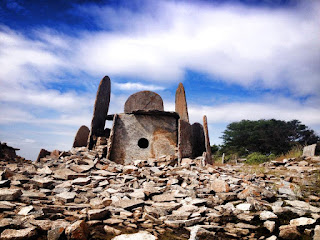
Dolmens, cairn circles, hero stones are megalithic burial sites seen all over Tamilnadu. Dolmens go by various names like Vaaliyaar veedu, kurakku pattadai, Pancha Paandavar padukkai and more popularly as veerakkal or nadukal.  Often personal effects of the buried are also found in small pots with the sarcophagus.


Megalithic cairn circle, Tirupporur
Photo : VSS Iyer


Dolmen 1
photo: Sukavana Murugan

Dolmen 2
photo: Sukavana Murugan

While usually dated to 7th and 8th centuries BC,  some have been dated to as late as the fifth century AD.

Tolkappiyam lists six stages in planting a memorial stone – nadukal

  • Selection of suitable stone
  • Quarrying it
  • Soaking it in water
  • Planting and consecrating after carving the image
  • Offerings
  • Prayers

Other texts list similar stages, but include a final stage where a King or Chieftan builds a temple over the planted stone. These are also listed as kaatchi kaadhai, kalkoL kaadhai, neerpadaik kaadhai, nadukar kaadhai and vaazhthu kaadhai in Silappadikaram.

A Purananuru poem on the death of Kopperunchola by the poet Pottiyar ends “Let us sing the glory of our patron who has become a planted stone.”

A burial urn was made for Nedumavalavan, and a poem addresses a potter that to make his urn, “the whole world should be used as a wheel, and lofty mountain as a lump of clay, suited to his fame.”

Burial urn, Adichanallur, Tamilnadu
Inscriptions Exhibit, Madras University 


A poem of Avvaiyaar on the death of Athiyaman Neduman Anji says a Nadukal was erected for him. It was decorated with peacock feathers and liquor was sprinkled

Nagaswamy connects these customs with current Hindu cremation ceremonies. He cites the contemporary funeral of a Brahmin woman, after whose death two stones were planted, one on the bank of a river, another at the entrance to the house of the deceased; called nadi-theera-kuNDa and gruha-theera-kuNDa respectively. Water was sprinkled over the stone with a towel (vasa udaka) and sesame seeds ( tilodaka ) offered. A potful of drinking water was placed over the stones.A lamp was kept burning throughout. This Vedic ceremony strongly resembles the ceremonies for Athiyaman sung by Avvaiyaar.

The very large number of dolmens and hero stones suggest that these were for all classes of people, including women, in the ancient times. Later this was limited to men of valour and fame.

Bodhyana, Katyayana, and the Vaikhanasa Sutra describe procedures for burial of dead or their ashes. Udayana’s elephant Badraapati which fell in war, was honored by a life size stucco image in a temple and regular worship was arranged, as related in Perunkadai

In later times Raja Raja built a colony of housing for dancers around the Big temple. A colony of dancers was established around the temple, Brahmins were fed monthly and a water shed erected for travelers. There were arrangement for exposition of kaavya-s and puraaNa-s. This shows that deification of dead and customs to commemorate them were universalised.

Photo Credits

Dolmens: Sukavana Murugan, Pennar archaeological forum, Krishnagiri 

Burial urns : Inscriptions Exhibit, University of Madras

Cairn circle : VSS Iyer

------------

This essay is one of a series of summaries of papers presented in international seminars by Dr Nagaswamy. The summaries in this series were presented by me at a lecture titled Nagaswamy - Beyond Borders at Tamil Heritage Trusts' Pechu Kacheri 2014 at Tatvaloka, Chennai.

My blogs on history

My blogs on art


Wednesday, 13 December 2017

காஞ்சி மகாமணி - பேச்சுக் கச்சேரி

நகரேஷு காஞ்சி என்று பாடினார் புலவர் பாரவி. சாளுக்கிய நாட்டின் தலைநகராம் வாதாபியில் வாழ்ந்து கிராதார்ஜுனீயம் என்ற மாபெரும் காப்பியத்தை இயற்றிய புலவர், சாளுக்கியர் தங்களது இயற்கை பகைவராக (பிரக்ருதி ஆமித்திரர்) கருதிய  பல்லவரின் தலைநகராம் காஞ்சியை, ஏன் "நகரங்களில் சிறந்தது" என்று புகழ்ந்தார்?

கல்வியில் கரையிலா காஞ்சி என்று அப்பர் பெருமான் திருநாவுக்கரசரும், தொண்டை நன்னாடு சான்றோருடைத்து என்று ஔவையும் வானுயர்த்திய தொல் நகரம் காஞ்சிபுரம்.
இன்று பட்டுபுடவைக்கு மட்டும் கொஞ்சம் அதிகமாக அறியப்படிகிறது. அங்குள்ள காமாட்சி, ஏகாம்பரர், வரதராசர், கந்தக்கோட்டம் கோயில்களுக்கும் அலை மோதும் அடியார் கூட்டங்களுல், பெருமாளை விட புனித பல்லியை நம்பி வருவோர் அதிகமோ என ஐயமூட்டும்.

அங்குள்ள பற்பல அற்புதமான ஈடில்லாத கோயில்களையும், அவற்றின் சிற்பங்களையும் ஓவியங்களையும் கல்வெட்டுகளையும் காஞ்சியில் வாழ்ந்த மாபெரும் புலவர்களையும் வெகு சிலரே அறிவர். தமிழ்நாட்டில் படித்து வளர்ந்த எனக்கும், கல்கி எழுதிய சிவகாமியின் சபதம் நாவல் படிக்கும் வரை காஞ்சியின் மகிமை தெரியாது.

ஆழ்வார்கள் பாடிய பதினாங்கு கோயில்களும், நாயன்மார்கள் பாடிய ஐந்து கோயில்களும், காஞ்சியில் உள்ளன. மதுரை, குடந்தை, உறையூர், தஞ்சை எந்த தொல்தமிழ் நகரிலும் இத்தனை பாடல் பெற்ற கோயில்கள் இல்லை.

ஏழாம் நூற்றாண்டு முதல் நம் காலம் வரை வெவ்வேறு காலங்களை பரிணமித்து பழமை தொனித்து கலை வளமை செழித்து கற்பனை திறமை பொலித்து கட்டிட கலைக்கு பாடமாய் திளைக்கும் ஆலயங்கள் வேறு எங்கும் இல்லை. எந்தையும் தாயும் முந்தை முனிவரும் புலவரும் மன்னரும் மக்களும் மகிழ்ந்து குலாவிய மாநகர்.
மிருத்யுஞ்சேஷ்வரர்

பிறவாஸ்தனம்

மாமல்லபுரத்துக்கு போட்டியாக சிற்பக்கலையில் திகழும் ஒரு ஊர் எனில் அதை காஞ்சி என்பேன். ஓவியக்கலையில் அஜந்தாவிற்கு சமகால ஓவியங்கள் மிளிர்வதும் காஞ்சியில். எங்கு பார்க்கினும் கண்ணை கவரும் மற்ற கலைகளால், சித்தன்னவாசலின் புகழ் அவற்றிற்கு கிட்டவில்லை. பிற்காலத்து நாயக்கர் ஓவியங்களையும் ரவிவர்மா ஓவியங்களையும் பழகி ஓவியச்செம்மை அறியா நமக்கு, தெய்வமெனில் எந்த சிற்பத்தையும் அழகென்று குணம் நாடாமல் பார்க்கும் பலரின் பார்வைக்கும் காஞ்சியின் பல்லவர் காலச் சிற்பங்கள் வியப்பூட்டும்.

மைக்கலாஞ்சலோவும் லியோர்ணாடோ டாவின்சியும் பிகாசோவும் தெரிந்த அளவுக்கும் அவர்களது படைப்புகளையும் அறிந்த நம்மக்களுள் பலருக்கு நம் மரபில் வந்த சிற்பியர் பெயரோ ஓவியர் புகழோ தெரியாதது வரலாற்று கொடுமை. அவர் சமைத்த கலைகளையாவது தெரிந்து கொள்வோமே. கைலாசநாதர், வைகுண்ட பெருமாள், ஜ்வரஹரேச்சுரர், மாதங்கேஷ்வரர், பிறவாஸ்தனம், மிருத்யுஞ்சேஷ்வரர் கோயில்களை பார்த்து மலைக்கவேண்டாமா?

உலகளந்த பெருமாள் கோவிலில் பரிமேலழகர் உரை எழுதினார் என்றும், கச்சியப்ப சிவாச்சாரியார் கந்த புராணத்தை கந்த கோட்டத்தில் அரங்கேற்றினார் என்றும், வேதாந்த தேசிகர் மூன்று மொழிகளில் எண்ணற்ற நூல்களை இயற்றியதும், பாரவிக்கும் காளிதாசனுக்கும் ஈடான தண்டின் கச்சியில் வாழ்ந்த பெருந்தகை என்பதும் தெரியுமா? சான்றோருடைத்து என்று இவர்களை தான் ஔவை பாடினளோ?

முகலாய வம்சமும், மௌரிய வம்சமும் ஓரளவு பள்ளி புத்தகத்தில் படித்த எனக்கு, பல்லவ வம்சத்தையே சிற்பமாக பரமேச்சுர விண்ணகரத்தில் காணமுடியும் என்பது இன்ப அதிர்ச்சி.
பல்லவ வம்சம்
சமணக்காஞ்சி எனும் திருப்பருத்திக்குன்றத்தில் பல்லவர் கால சமண கோயிலும் பிற்கால திரைலோக்யநாதர் கோயிலொன்றும் உள்ளன. இதில் சில அருகர்களின் வாழ்க்கை வரலாற்றை ஒரு மண்டப விதானத்தில் காணலாம். அவற்றுள் நடுவே யதுகுல கண்ணனின் சில ஓவியங்களும் உண்டு. பார்த்தால் ஒன்றும் புரியாது.


அருகர் வாழ்க்கை வரலாறு
யதுகுல கண்ணனின் சில ஓவியங்கள்

இது போன்ற பல அற்புத தகவல்களை கச்சி மாநகரின் வரலாறும் கலையும் கோயிலும் சமயமும் தறிகளும் தொழிலும் இலக்கியமும் கல்வியும் தொன்மையும் விளக்கி விவரித்து பேச, தமிழ் பாரம்பரிய அறக்கட்டளை இரண்டு நாள் பேச்சு கச்சேரி நடத்தவுள்ளது. நான் கைலாசநாதர் கோவிலை பற்றி பேசுவேன்.

இரண்டு நாளும் வந்து ரசித்து களிக்குமாறு கேட்டுக்கொள்கிறேன். நடக்கும் அரங்கம் தமிழ் இணைய கல்விக்கழகம், காந்தி மண்டபம், சாலை, கோட்டூர்புரம், சென்னை.

வலைத்தளம் - https://thtpechchukkachcheri.wordpress.com
முகநூல் தளம் – https://www.facebook.com/events/309154459591297/

16 டிசம்பர் 2017 – சனிக்கிழமை

நேரம்தலைப்புபேச்சாளர்
காலை 9:00காஞ்சியின் பெருமை
ஒரு ரசிகமணியின் பார்வை
டாக்டர் ஆர். நாகஸ்வாமி
காலை 10:30பரமேஸ்வர விண்ணகரம் அதுவே
வைகுந்த பெருமாள் கோயில்
டாக்டர் சித்ரா மாதவன்
காலை 11:30அருகன் அணிநிறத்து ஆலயம்
திருப்பருத்திக்குன்றம் – ஜைன காஞ்சி
திரு ஷ்யாம் ராமன்
மதியம் 2:00விண்ணகரம் மன்னுகின்ற பொன்னகரம்
விஷ்ணு காஞ்சி
டாக்டர் கே தயாநிதி

17 டிசம்பர் 2017 – ஞாயிற்றுக்கிழமை

நேரம்தலைப்புபேச்சாளர்
காலை 9:00காவிய தரிசனம்
தமிழ் இலக்கியத்தில் காஞ்சி
டாக்டர் சா பாலுசாமி
காலை 10:30கண்ணுதலோன் உறைகின்ற கச்சி மூதூர்
சைவ காஞ்சி
பேரா. மதுசூதனன் கலைச்செல்வன்
காலை 11:30அதிமானம் அதி அற்புதம்
கைலாசநாதர் கோயில்
ரங்கரத்னம் கோபு
மதியம் 1:30தறி நூலழகின் உரை
காஞ்சியின் நெசவுத் தொழில்
ஶ்ரீமதி மோஹன்


Tuesday, 20 August 2013

ஔவை எத்தனை ஔவையடி- How many Avvaiyaars

“ஔவையை பற்றி எதுவும் நூல்கள் இல்லையே. ஏழெட்டு வருடமாக சென்னைப் புத்தக காட்சியில் ஆத்திச்சூடி கூட கிடைக்கவில்லை,” என்று 2009 ஆம் ஆண்டு பலரிடம் புலம்பினேன். நண்பர் , ஆசான், ரசிகர், பண்டிதர், இலக்கியக் களஞ்சியம் திரு. கண்ணன் அவர்கள் அடுத்தவாரமே பின்வரும் கையெழுத்துக் கட்டுரையை எழுதி வழங்கினார்! அவர் அனுமதியுடன் வலைப்பதிவில் சேற்க்கிறேன். அவர் தமிழில் எழுதியதை ஆங்கிலத்திலும், ஆங்கிலத்தில் எழுதியதை தமிழிலும் நான் மொழிமாற்றி, சமர்ப்பிக்கிறேன். பரோடா வங்கியிலிருந்து ஒய்வு பெற்றவர். பல்லாயிர்ம் கர்நாடக இசைப் பாடல்களின் முதல் வரிகளையும், ராகத்தையும் புத்தகமாக வெளியிட்டவர்.

Around 2009, I complained to several people, “There are no good books on (or by) Avvaiyaar. Even Aathichchoodi is not available in the Madras book fair for the last several years.” A friend, scholar, connoisseur, walking library and teacher, Mr S Kannan, gave me this handwritten note the next week! With his permission, and my translations of his English paragraphs to Tamil and vice versa, I submit this. He’s a retired employee of Bank of Baroda, well known in Carnatic music circles, as the man who created a book listing the first lines of several thousand songs and their ragas.

ஔவை : பெண்; தாய்; தெய்வப்பெண்; துறவு பூண்ட பெண்

சங்க கால ஔவையார்: (குறிப்புகள் – புறநானூறு, அகநானூறு, குறுந்தொகை, நற்றிணை, திருவள்ளுவமாலை) இவள் சமகாலத்து மனிதர்களையும், அரசர்களையும் பற்றி பாடியுள்ளார்.
                References: puRanaanooRu, akanaanooRu, kuRunthokai, naRRiNai, thiruvaLLuvamaalai. She has composed poems on contemporary people and kings.
\
ஒன்பதாம் நூற்றாண்டின் பிற்பகுதி ஔவையார்:
1.        “நல்லம்பர்… நின்னாட்டுடைத்து நல்ல தமிழ்,” என்றவர்.
2.        இவளைக்குறித்து பல கதைகள் உண்டு; நிறைய தனிப்பாடல்கள்; இனிய செய்யுட்கள்; புராணமாய் மருவிய கவிதைகள்; பழைய வரலாற்று சம்பவங்கள் இந்த ஔவையின் மேல் குவிந்துள்ளன.

1.        This was the Avvaiyaar who said, “Nallambar, your country has beautiful Tamil.”
2.        There are several stories about her; isolated poems; sweet stanzas; poems blown into popular legends. Ancient historical legends were superimposed on her.

சுமார் கி.பி. 1120 கால ஔவையார்:
                கொன்றைவேந்தன், ஆத்திச்சூடி, மூதுரை, நல்வழி இயற்றியவர். அகளங்கன் (என்ற விக்கிரம சோழன்) காலத்திலும் அவனுக்கு பின்னும் வாழ்ந்தவர்.
                பல தெய்வங்களோடும், சான்றோரோடும், புலவரோடும் இவளை பிணைத்து பொய்யான, குறும்பான, தவறான, ஒதுக்கக்கூடிய கதைகள் உள்ளன. கிடக்கட்டும்! ரசமும் சிரிப்பும் யதார்த்தமும் எள்ளலும் கிண்டலும் எளிமையும் புலமையும் நயமுடை நுட்பமும் இவளது கவிதையில் கண்ணோடு இமையாக, மண்ணோடு மழையாக கலந்து காணலாம்.
                இக்கால ஔவையார் செய்தவை யாவும் அறநூல்களே.

                Her works include KonRaivEnthan, Aaththiccoodi, mooturai, nalvazhi. She lived in the time of AkaLangan (Vikrama Chozha) and his successors.
                Many wrong, mischievous, mistaken, dismissable accounts are there associating her with great poets, personalities, or even gods/goddesses. Leaving them all aside, here is a poetess, who dabbled in interesting, humorous, worldly-wise, sweet, simple, elegant and scholarly pieces. Her works were all didactic – moralistic.

பதிநான்காம் நூற்றாண்டின் ஔவையார்:
                இரண்டு நூல் செய்துள்ளார் – 1. ஞானக்குறள் 2. விநாயகர் அகவல். பின்னது தோத்திர நூல் – பரவலாக அறியப்பட்டுள்ளது. மரபு வழி சைவர்கள் இல்லங்களில் நாள்தோறும் பாராயணம் செய்யப்படுவது. முந்தியது சாத்திர நூல்; ‘அவ்வைக்குறள்’ என்றும் சொல்லப்படுவது – 31 அதிகாரம், 310 பாடல்கள்.

                She has written two books – 1. JnaanakkuRaL 2. Vinaayakar agaval. The latter is a widely known prayer song, ritually sung everyday in some Saiva families for generations. The former is dharma literature, also called ‘OwvaikkuRaL.’ It has 310 stanzas in 31 chapters.

உலக வாழ்க்கையில் சுதந்திரமாக இருந்த ஔவையார், ஆன்ம சுதந்திரத்தை தம் பாடல்களில் வலியுறுத்தினார். பலத்தனிப்பாடல்களும் வழக்கிலுள்ளன. பக்தி இயக்கத்தின் செல்வாக்கு இவரிடம் இருக்கக்காணலாம்.

“காதல் இருவர் கருத்தொருமித்து ஆதரவு பட்டதே இன்பம்” (இல்லறம்) என்ற வாக்கு இவருடையது.

A lady who had an independent life (not that of a housewife), this Owvaiyaar emphasized freedom of the soul in her poetry. To her is attributed the famous line: “Two lovers, united in thinking and supporting each other – that is bliss.” The bhakti movement’s impact on her is discernible.

பதினேழாம் நூற்றாண்டின் ஔவையார்:  தனிப்பாடல்கள்.  Isolated verses.

பதினெட்டாம் நூற்றாண்டின் ஔவையார்: பந்தனந்தூதி இயற்றியவர். Composed ‘Panthananthoothi’

பொதுவாக எல்லா ஔவைகளுமே ஓரிடத்தில் நிலையாக வாழாது, எல்லா இடங்கட்கும் சுற்றிக்கொண்டிருந்தவர்கள். இந்த இயல்பு பற்றிதான் போலும், ஒருவருக்கேனும் தம் இயற்பெயர் விளங்காது  “ஔவை” என்ற பலர் அறி சுட்டாக இருந்து வருகிறது.

மக்களின் அன்புக்கும் மரியாதைக்கும் பாத்திரமாய் இருந்த மூதாட்டியாதலால் ஔவையார்களை பற்றி ஏராளமான கதைகளும், சம்பவங்களும் எழுந்துள்ளன; எழுதப்பட்டுள்ளன; பெரும்பாலும் புனைவே; பொருந்தாதனவே.

Generally, all Owvaiyaars were nomadic bards, restless with wanderlust, constantly moving from town to town, village to village, kingdom to kingdom. Perhaps because, we don’t know the original names of any of them; but only know them by the collective epithet “Owvaiyaar.”

Loved and respected by the people, there are several legends and myths about these Avvaiyaars, all attributed to one women. Mostly these stories are imaginary.              

இவரைப்பற்றிய நூல்கள்:
1.        விநோத ரஸ மஞ்சரி
2.        அவ்வை சரித்திரம்
3.        புலவர் சரித்திர சார சங்கிரகம்
4.        தமிழ் நாவலர் சரிதை
5.         அவ்வையார்: அனவரத விநாயகம்  பிள்ளை, 1919.
6.         சைவ இலக்கிய வரலாறு: சு. துரைசாமிப்பிள்ளை 1958, அண்ணாமலை பல்கலைக்கழகம்.


முதல் நான்கும் செவிவழி மரபு, வரலாறும் இல்லை, வாழ்க்கை சரித்திரமும் இல்லை. 5,6 சிறந்த ஆய்வு நூல்கள்.