Showing posts with label history. Show all posts

Friday, 1 May 2026

VSF Course on Indian Astronomy and Mathematics - May 2026


I will conduct the seventh version of the Indian Astronomy and Mathematics course for Varahamihira Science Forum, starting Sunday 10 May 2026.

Overview and Registration form below: 

Have you heard of the Ujjain Meridian? It was used by Indians for two thousand years before Greenwich Meridian. So why does India and the world use Greenwich mean time?

We hear about Archimedes principle or Newton's laws. Why is nothing named after Aryabhata or Bhaskara or Madhava? Surely they had significant accomplishments for ISRO to name satellites in their honour?

How did they predict eclipses? What could they see without telescopes? What words did they use for addition or subtraction? What symbols? Why did Fields medalist Manjul Bhargava say that Brahmagupta is his favorite mathematician?

Artistic Delights - How did mathematicians incorporate Poetry, Wordplay, Bhakti, Skepticism, and Romance into their science? Did religion impede their science? 

What did other civilizations like Sumeria, Egypt, China, Greeks, Mayans accomplish in those times? 

Find out in this five-day online course, (classes will be in ZOOM), along with several other aspects of mathematics and astronomy in India from the Vedic age until about the sixteenth century. 

Registration

Registration Form for this course - login link to Zoom will be sent to the email address you specify in this form

The course is for anyone interested in Astronomy, Mathematics, the history of Science and especially. Most of the material in the course is about eighth standard level. 

We charge a nominal fee/donation of Rs.1500. We use this money to finance other programs by Varahamihira Science Forum. Only registered participants will be admitted into the class.

VSF web post about this course - same content

My blog essays on Indian Astrononmy and Mathematics


Tuesday, 17 March 2026

A witness to history at Esalam

February 20, 2026 - Esalam

On a recent tour, at Esalam, we met this genteleman.

In 1987 Rajendra Chola copper plates were discovered in this Ramanatheshvara temple in Esalam near Villupuram. Dr Nagaswamy head of TN archaeology department wanted to bring back these copper plates to Madras, to take estampages, read and decipher and publish the inscriptions on the copper plates. But the local villagers adamantly refused to let him take them away from the village
But they also realized the inscriptions were in Sanskrit and Tamil, and Tamil portion was in chola script, most of which was unreadable except by epigraphists
Dr Nagaswamy offered to read them out. A public meeting was arranged where he read out the inscriptions and translated the sanskrit portions and explained the tamil portions.
After this they realized he was a genuine scholar, and it is their village which would become famous if this information and the contents of the inscriptions was made public. So they allowed the archaeological team to take back the copper plates.
They also installed a commemorative plaque, in the temple gopuram, about the discovery of the copper plates.

The gentleman in the photo mentioned this and when I asked him if he was present at the discovery and during Nagaswamy's talk, he nodded and asked me if I was an associate of Mr Sridharan (who had accompanied Nagaswamy then). Uma Nagaswamy sent me this photo below of the 1987 public meeting, when I informed her of this experience.
History lives on in such small episodes.

1987 Public meeting at Esalam


Blog essays on Personal experience

Sunday, 23 November 2025

Andhra Pradesh and Tamilnadu - timeline comparison


As preparation for the Site Seminar of the Andhra Pradesh region between  Srikakulam and Vijayawada, I created a timeline of the dynasties of this region, as deciphered from historical sources. A short summary listed in Whatsapp by Umayal helped in the prepartion. 

This is only approximate, not comprehensive. I think timelines, and comparative timelines are an excellent tool to understand how history unfolded.


Related Posts

I have made other timeline charts, which can be seen in the History section of my blog


Monday, 18 August 2025

கரிகாலச் சோழன் - முனைவர் சிங்கநெஞ்சம் அவர்களின் குறிப்புகள்


முனைவர் சிங்கநெஞ்சம் சம்பந்தம், புவியியல் துறையில் பணியாற்றி, சென்னைப் பிறிவில் தலைமை பதவி விகித்து ஓய்வு பெற்று, சுவையான பல தகவல்களை சேர்த்து, எளிமையான தமிழில் பல கட்டுரைகள் சமூக வலைதளங்களில் எழுதிவந்தார். வராகமிகிரன் அறிவியல் மன்றம் தொடங்கிய முதல் வருடம், நதிகள் வழிமாறும் வரலாறும், பல இடங்களில் கடல்  ஒரு காலம் பின்வாங்கியும்  ஒரு காலம் நிலத்தை விழுங்கியும் செய்யும் புவியியல் லீலைகளை பற்றி ஒரு உரை தருவதாக தானே முன்வந்தார். ஆர்வத்துடன் ஏற்றுக்கொண்டோம். காணொளி மேலே.

திடீரென்று நோய்வாய்பட்டு அவரும் அவரது மனைவியும் மருத்துவமனையில் சேர்க்கப்பட்டனர். சில மணி நேரங்களில் இருவரும் இம்மை விலகி மறுமை எய்தினர். இருவரும் இறந்தபின் யாரோ முகநூலில் தகவல் பகிரும் போதுதான் அவர்கள் நோய்வாய்பட்ட செய்தியே அறிந்தேன். சிங்கநெஞ்சம் ஐயாவின் அகால மரணம் தமிழுக்கும் தமிழ் சமூகத்திற்கும் பெரும் இழப்பு. 

அவ்வப்போது அவரு எழுதிய கட்டுரைகளை முகநூல் நினைவூட்டுகிறது. அப்படிப்பட்ட ஒரு கட்டுரையை (16 ஆகஸ்டு 2018 பதிவிட்டது) இங்கே பகிற்கிறேன். அனுமதி இன்றி பகிற்கிறேன். யாரிடம் அனுமதி கேட்கவேண்டும். முகநூலில் இல்லாத சில் ஆர்வலர்கள் படிக்கவும், அவருக்கு ஒரு அஞ்சலியாகவும் இதை இங்கே பகிற்கிறேன். கல்லணை படமும் அவர் பதிவிலிருந்து எடுத்தது, யார் எடுத்த படம் என்று அவர் குறிப்பிடவில்லை.

தலைப்பு ஒரு புறம் இருக்கட்டும், எவ்வளவு சிறப்பாக கரிகால சோழனை பற்றிய பல தகவல்களை பிற்கால பாடல்களிலிருந்து எடுத்து தொகுத்து வழங்கியுள்ளார்.

-----------------------------------------------------


கல்லணையைக் கட்டியது கரிகாலனா .....

அண்மையில் அன்பர் வீரமணி வீராசாமி அவர்கள் கரிகாலன் – கல்லணை பற்றி நாளிதழ் ஒன்றில் வந்த செய்திப் படத்தை பகிர்ந்திருந்தார் (காண்க: படம்) அதற்கு, பின்னூட்டம் ஒன்று அனுப்பியிருந்தேன். தொடர்ந்து, இது குறித்து விரிவாக எழுதும்படி நண்பர்கள் கேட்டிருந்தார்கள்.
பலமுறை படித்தாயிற்று, பட்டினப்பாலையிலும் , புறநானூற்றிலும் கரிகாலன் கல்லணையைக் கட்டியதாக செய்தியில்லை .
சில வாரங்களுக்கு முன் மின் தமிழ் குழுமத்தில் மடலாடிக் கொண்டிருந்தோம். அப்போது தேமொழி அவர்கள், தஞ்சை கரந்தைத் தமிழ் சங்கத்தின் திங்கள் வெளியீடான “ தமிழ்ப் பொழில்“( தாது ஆண்டு ,1936-37, 12 ஆவது) இதழில் கல்லணையைப் பற்றிய குறிப்பு உள்ளதாகக் கூறி, சுட்டியையும் இணைத்திருந்தார். அவருக்கு நன்றி.
இந்த இதழில் “வல்வடுகு நான்கு” எனும் கட்டுரையில், ‘திரு கே. சோமசுந்தரம் பிள்ளையவர்கள், 'அச்சுதப்ப நாயக்கர்’செய்த நற்பணிகளைப் பற்றி எழுதும் போது கல்லணையைப் பற்றி குறிபிடுகிறார். . மாற்றம் அதிகம் செய்யாமல் அதை அப்படியே கீழே இணைக்கிறேன்
"செல்லார் பணியும் செம்பியர்கோன்
செழுங்கா விரியின் சிறந்தகரை
கல்லால் அணைகட் டுதற்கேவு
கருமம் முடித்த சோழியர்கள்
பல்லார் மேழி நெடுங்கொடியைப்
பாயும் புலியி னொடுபதித்த
வல்லாண் மையினார் குடிவாழ்வு
வளம்சேர் சோழ மண்டலமே" 41
(இந்தப் பாடல் சோழ மண்டல சதகத்தில் உள்ளது.)
கரிகால் வளவன் காவேரிக்குக் கரை கட்டும்போது சோழியர் மிகவும் உதவினர். கரிகாலன் ஏவலால் கல்லணை கட்டியவர்கள். சோழிய வேளாளர்கள் தங்கள் மேழிக் கொடியைச் சோழர்தம் புலிக் கொடியுடன் இணையாக வைத்தவர்கள்.
கரிகாலன் காவிரியில் கரையையே கல்லால் கட்டுவித்தான்; அணை கட்டவில்லை என்றும் கூறுவர். இப்பாடலிலும் கரை கட்டியதையே கல்லணை என்று கூறப்படுகிறது.
இனி,
"தொக்க கலியின்மூ வாயிரத்துத் தொண்ணூற்றில்
மிக்க கரிகால வேந்தனுந்தான் - பக்கம்
அலைக்கும் புனல்பொன்னி ஆறுகரை இட்டான்
மலைக்கும் புயத்தானும் வந்து"
என்பது பழம்பாடல். இதன்படி கி.மு. 11-இல் கரைகட்டிய செய்தி புலப்படுகிறது. முதல் அடிக்கு ‘தொக்க சகனில் தொளாயிரத்துத் தொண்ணூற்றில்’ என்ற பாடபேதமும் உண்டு (பெருந்தொகை - 778) அதன்படி காலம் கி.பி. 1068 ஆகிறது.
இந்தப் பாடலுக்கு
"- பக்கம்
அலைக்கும் புனற்பொன்னி ஆற்றணையை
இட்டான்
மலைக்கும் கொடைக் கரத்தான் வந்து"
எனும் பாட பேதமும் உண்டு.
தொடர்ந்து, 'மூவர் உலா', ' பரணி' போன்ற இலக்கியங்களிளிளிருந்து பாடல் வரிகளைத் தருகிறேன்.
"அஞ்சின் முடிகவித்து ஐம்பத்து மூன்றளவில்
கஞ்சி காவேரிக் கரைகண்டு – தஞ்சையிலே
எண்பத்து மூன்றளவும் ஈண்ட இருந்தேதான்
விண்புக்கான் தண்புகார் வேந்து"
என்பது ஒரு பழம்பாடல் (பெருந்தொகை 779).
"உச்சங்கோல் எண்கோல் உயரம் பதினாறுகோல்
எச்சம் பிரிவாய் இருபதுகோல் - தச்சளவு
மண்கொள்ளக் கொண்டகோல் எண்கோல் வளவர்கோன்
கண்கொள்ளக் கண்ட கரை"
என்பதும் ஒரு பழம்பாடல் (பெருந்தொகை 2154).
கரிகாலனைப்
"பொன்னிக் கரைகண்ட பூபதி"
என்று விக்கிரம சோழன் உலாவும் [13]
"மண்கொண்ட பொன்னிக் கரைகட்ட வாராதான்
கண்கொண்ட சென்னிக் கரிகாலன்"
என்று குலோத்துங்க சோழன் உலாவும் [18]
"தொழுது மன்னரே கரைசெய் பொன்னியில்
என்று கலிங்கத்துப் பரணியும்" (இராசபாரம்பரியம் 20)
"ஈரருகும்
எண்கரை செய்யாது எறிதிரைக் காவிரிக்குத்
தண்கரை செய்த தராபதி"
என்று சங்கர ராசேந்திர சோழன் உலாவும் [13] கூறுகின்றன.
கரைகட்ட ஈழத்திலிருந்து பிடித்து வந்த கைதிகளைப் பயன்படுத்தினான் என்பர்.( தமிழ் இணையப் பல்கலைகழகத்திலிருந்து தொகுக்கப்பட்டவை )
இதுகாறும் கண்ட பாடல்கள் , கரிகாலன் காவிரிக்குக் கரை கட்டிய செய்தியை சொல்கின்றனவே தவிர, ஆற்றின் குறுக்கே நீரை மறித்து அணை கட்டிய செய்தியை சொல்லவில்லை.
(தொடர்வோம்)


Tuesday, 25 June 2024

விசை விஞ்ஞானம் வரலாறு


கிழக்கு டுடே இணையதளத்தில் இந்த 2024 ஜூன் மாதம் ஒரு அறிவியல் தொடர் எழுதி வருகிறேன். கிபி பதினெட்டாம் நூற்றாண்டில் இங்கிலாந்தில் தொழில் புரட்சி தொடங்கியது. பொதுவாக நீராவி எஞ்ஜினின் இயக்கத்தால் மாறி வந்த  தயாரிப்பு முறைகளை தொழில் புரட்சி என்று மக்கள் பரவலாக கருதுகின்றனர். நீராவி எஞ்ஜினும் அது போல் பல இயந்திரங்களும் இக்காலத்தில் உருவாகின.

ஆனால் நடந்ததென்னவோ பற்பல புரட்சிகள், உருவாகியவை பல்வேறு புதிய துறைகள்.   மின்சாரம், நீராவி எஞ்ஜின், பெட்ரோல் எஞ்ஜின், என்று பல்வேறு புதிய பொறியியல் துறைகள் தோன்றின. மருத்துவம், போக்குவரத்து, கட்டுமானக் கலை, நெசவு, விவசாயம், உலோக உற்பத்தி, எதிர்பாரா பல புதுமைகள் கண்டன. வேதியியல், இயற்பியல், உயிரியல் பல யுகாந்த மாற்றங்களை சந்தித்து புது யுகத்தை வரவேற்றன. புவியியல், தொல்லியல், மொழியியல், பொருளாதாரம், விளம்பரம், சுகாதாரம், சுற்றுச்சூழலியல், வரைபட கலை, கடலியல், தொலைதொடர்பு, என்று புதிய துறைகள் உருவாயின. இதன் பின்புலத்தில் போர், அரச மாற்றம், சமூக மாற்றம், மதக்கலவரம், , இலக்கியப் புரட்சி, இசைப் புரட்சி, கலை புரட்சி, புதுட்ப்புது கலைகள் என்று பல்வேறு மாற்றங்களும் தொடர்ந்தன.

பொதுவாக அரசியல் சமூக மாற்றங்கள் மட்டுமே வரலாற்று வல்லுனர்களின் கவனத்தை கவர்ந்து வருகிறது. சம காலத்தில் நடக்கும் அறிவியல் மற்றும் தொழில்நுட்ப மாற்றங்களை அவர்கள் பெரிதாக நினைப்பதில்லை. விஞ்ஞான புத்தகங்கள்  விஞ்ஞானிகளையும் படைப்பாளிகளையும் எட்டமுடியாத சாதனை மாந்தராக சித்தரித்து அவர்கள் நடந்த வழியை சரியாக விளக்குவதில்லை. அல்லையேல் புரியாத அளவுக்கு கணிதத்திலும் விஞ்ஞான கொள்கைகளிலும் மூழ்கடித்து விடுகின்றன. கொஞ்சம் மாறுதலாக இந்த கதைகளை சொல்ல முயல்கிறேன்.

இதோ சுட்டிகள். தொகுத்து புத்தகமாக வெளியிட சித்தம். 
  1. ஜேம்ஸ் வாட் : கரி தழல் வளவன்
  2. ரிச்சர்ட் டிரெவிதிக் : ரயில் என்ஜின் ராட்சசன்
  3. ஜார்ஜ் ஸ்டீவென்சன் : படிக்காத மேதை படைத்த பாதை
  4. கில்பர்ட் முதல் பிராங்க்ளின் வரை மின்னல் மழை மின்சாரம்
  5. பிராங்க்ளின் முதல் டேவி வரை தொட்டனைத்தூறும் மின்சாரம்
  6. மைக்கேல் ஃபாரடே – மின்பொருள் நாயனார்
  7. வேதியியல் கதை - பஞ்ச பூத யுகம்
  8. ஜோசப் பிரீஸ்ட்லீ – கற்க கசடற காற்றை
  9. அந்துவான் லவோய்சியே - நவீன வேதியியலின் தந்தை
  10. இளமையில் கல் - புவியியல்
  11. யுகே யுகே சம்பவம் – புவியியல்
  12. எங்கிருந்தோ வந்தான் – வில்லியம் ஜோன்ஸ் 
  13. சித்திரம் பேசியது - எகிப்திய எழுத்தின் மீட்சி
  14. மெட்றாஸ் நல்ல மெட்றாஸ் - சென்னைப் பட்டணத்தில் விஞ்ஞானம்
  15. இந்திய வரலாற்றின் மீட்சி - புத்தம் புதியதும் பழையதும்
  16. இந்திய வரலாற்றின் மீட்சி - பிராஹ்மி புத்திரன் ஜேம்ஸ் பிரின்ஸப்
  17. விசை செய்த விசைகள் – செந்தரமாக்க`ம்
  18. கப்பலோட்டிய ஆங்கிலேயர்

  19. கனிமமே கண்ணாயினார்

Wednesday, 17 January 2024

Three 1870 inventions


Edison and his phonograph

In the 1870s three revolutionary technologies shook the world and changed it forever :

1876 : telephone

1877 : phonograph

1879: electric light bulb

All were basically leap-frog innovations, but based on existing science and technology.

The contrasting impact of the three were fascinating.

Phonographs which earned Edison the moniker Wizard of Menlo Park, completely stalled, because amplifiers were bad, duplication was not possible, etc. That problem was solved 20 years later by invention of the triode (ironically inspired by Edison’s electric bulb).

Telephones revolutioninzed business, government, industry, banking and military, but took nearly forty years to become consumer goods.

The electric light was utterly transformational across every facet of society. Until Edison’s light bulb, electricity was also mainly industrial or business oriented. Heavy magnets at harbours and factories, and the telegraph were the only public benefits of electricity until then.

Edisons light bulb changed all this. It brought electricity into every urban home and office within 20 years in most of the West.

It became a platform for a whole horde of technologies as transformational as the steam engine earlier, and transparent glass even earlier.

Electricity’s impact was rivalled only by the arrival of petrol/diesel engine cars, also invented in the 1870s but which had no or very low impact for nearly 25 years.

Electric cars, trains, buses all came into use, around this era, but were of poor quality and not very widespread. They were all overtaken by petrol based vehicles by 1920 or so and electric vehicles did not challenge petrol/diesel vehicles until Elon Musk’s Tesla transformed the industry in the 2010s. Henry Ford actually worked in Edison’s electric companies, rising quickly to Chief Engineer, before quitting to revolutionise petrol based cars and make them widespread.

Edison's telephone: Picture from Internet


The triode, born out of the diode, invented by Ambrose Fleming (more famous for Fleming’s left hand rule), was discovered to be an amplifier of current, which became very useful for radios, invented shortly afterwards. Then the triode amplifier became useful to amplify the sound in phonographs. Edison’s original tin drum phonograph did not take off, but Zenophile Gramme invented the flat disk version, now popularly called gramophones. By 1910 mass manufacturing of gramophones combined with amplification to make the sound output of gramophone, made them explode in popuarity – nearly two decades after Edison and Gramme’s inventions. I suspect Edison himself had switched over to focusing his efforts on the light bulb – and after it the development of the entire electrical system, primarily because the phonograph evoked more wonder than sales.

The telephone itself, was also improved by Edison, especially by addition of  a battery, providing a stable current rather than using a windup mechanism to power the transmission of electricity across telephone lines. Alexander Graham Bell’s company AT&T, bought Edison’s phones to sell to their customers – became more the telephone exchange rather than equipment manufacturer.

Ironically phonographs/gramophones succeded in the one field Edison did not imagine at all – recorded music. Again ironically, Edison worked on the cinematograph and movie making, but again failed to understand what entertainment would be popular. The movie making world ran away from New York, where Edison was based, to California – too far even by train – to escape Edison’s attempts to monopolize the field.

It is fascinating how the three inventions panned out. Rarely is their comparative history narrated together.

But the phonograph, lightbulb, electrification, (and also triode, radio, airplane etc.) were inventions that did not come from the learned halls of brilliant academics with doctorates in philosophy or from the wise poets and artists who bore on their shoulders the learning of a hundred previous generations, but basically the most uneducated/ self-educated, hyper motivated, relentless, incredibly ingenious people like Edison, Ford, Benz, Daimler, Westinghouse, Lee de forest, Fessenden, etc.

Thorstein Veblen, the economist, predicted in 1899 that engineers would run the world , because they were the only people who understood how everything worked.

He was wrong, IMHO. Most engineers don't understand people or money.


Inventors and Discoverers


Sunday, 3 December 2023

எங்கள் ஊர் கல்வெட்டு

சாலையோரம் புதர்களுக்கு இடையே ஒரு கல். மரத்தோரம் கேட்பாரற்று  உள்ள இந்த கல்லில் ஒரு கல்வெட்டு இருப்பதாக ஒரு பழைய தொல்லியல் கல்வெட்டு நூலில் குறிப்பு. அறுநூறு ஆண்டுகளுக்கு மும்பு ஒரு மன்னன் சூரிய கிரகண நாளொன்றில் சில பிராமணர்களுக்கு ஒரு கிராமத்தை பிரம்மதேயமாக தானம் கொடுத்தான் என்பது கல்வெட்டின் சாராம்சம். 

தொல்லியல் நூலில் ஒரு விவசாயி பெயர் குறிப்பிட்டு அவர் வயலில் இந்த கல்வெட்டு இருப்பதாகத்தான் குறிப்பு. வயலும் வாரிசுகளும் அகன்று சாலையும்  சில வீடுகளும் ஒரு சிறு பள்ளிக்கூடமும்.


உதயகுமார் என்பவர் இந்த தொல்லியல் நூலை படித்துவிட்டு இந்த கல்வெட்டை தேடி சென்றார். பெங்களூரில் பல தலைமுறைகளாக வாழும் அவருக்கு வரலாற்று ஆர்வமும் கல்வெட்டு தேடும் ஆர்வமும் ஆழமாக தொற்றிக்கொண்டுவிட்டது.

அந்த கல்வெட்டு உள்ள கிராமத்தில் எங்கே தேடுவார். அங்கே ஒரு பள்ளி முதல்வரை சந்தித்து ஏதாவது பழைய தகவல் கிடைக்குமா என்று விசாரித்து பார்க்கிறார். எங்கள் கிராமம் ஒரு குக்கிராமம் என்பதை தவிற அவர் வேறொன்றும் சொல்லத்தெரியாமல் இருக்கிறார். 

”உங்கள் குக்கிராமம் வரலாற்றில் குக்கிராமமே இல்லை - இங்கே ஒரு பிரமதேயம் நிறுவப்பட்டு, ஒரு கல்லூரியே நடந்திருக்கிறது. வேதமும் தர்ம சாத்திரமும் அதை ஒட்டிய பற்பல கலைகளும் சாத்திரங்களும் இங்கே கற்பிக்கப்பட்டன. இங்கே அருகில் தான் பெங்களூரு பல்கலைக்கழகம் இருக்கிறது, அதை பற்றி என்ன நினைக்கிறீர்கள்?” என்று உதயக்குமார் கேட்கிறார்

பள்ளி முதல்வர் பரவசத்துடன் ”எப்பேர்பட்ட எவ்வளவு பெரிய பல்கலைகழகம் சார். எங்களுக்கு பெருமை தானே,” என்று மலைக்கிறார்.

“இந்த பல்கலைகழகம் நிலைக்கும் பெங்குளூரை குக்கிராமம் என்று சொன்னால் தகுமா?”

மிரண்டு போகிறார் பள்ளி முதல்வர் - “நீங்க என்ன சொல்ல வரீங்க?”

“பல்கலைகழகம் கட்ட அரசாங்கமும் பெரும் செல்வந்தர்கள்  எல்லாம் நிலம், பணம், பொருள் தானம் கொடுத்திருப்பார்கள் அல்லவா? அதன் நினைவாக அடிநாட்டுக் கல்லில் ஒரு பதிவுப்பலகை செதுக்கி இந்த தானங்கள் கொடுத்தவர்களின் பெயர் பொறித்து முக்கிய இடத்தில் வைக்கப்பட்டிருக்கும் அல்லவா?”

”ஆமாம் நிச்சயமாக”

“பெங்களூரு பல்கலைக்கழகம் நிறுவும் ஐநூறு ஆண்டுகளுக்கு முன் உங்கள் குக்கிராமம் ஒரு முக்கிய கல்லூரி. இந்த கிராமத்தில் எழுத படித்தவர்கள் வாழ்ந்தார்கள் என்பதன் மிகப்பழைய வரலாற்று குறிப்பு அந்த கல்வெட்டு. அதைத்தேடி வந்திருக்கிறேன். உங்களுக்கு ஏதாவது இந்த வயல் அதிலுள்ள கல்வெட்டு இதை பற்றி தகவல் தெரியுமா? அல்லது யாரையாவது கேட்டு சொல்லமுடியுமா?”

விருவிருப்பாக உற்சாகமாகி பள்ளிமுதல்வர் தன்னால் முடிந்ததை செய்கிறார். இந்த புதரில் இந்த கல்வெட்டை கண்டுபிடித்த உதயகுமார் தன் முயற்சிகளை தொடங்குகிறார். யந்திரங்களை வைத்து புதர்கள் களையப்படுகின்றன. ஊர்மக்கள் ஆர்வம் பெருகுகிறது.  முழுதாக கல்வெட்டு சாசனம் மீண்டும் படிக்கப்பட்டு, நாங்கள் ஒரு குக்கிராமம் அல்ல வரலாற்று புகழ்பெற்ற பிரம்மதேயம் என்று ஊரே விழாக்கோலம் பூணுகிறது. 

மீட்கப்பட்ட கொங்காதிபுரம் கல்வெட்டு


விழாக்கோலம்

கல்வெட்டுக்கு மரியாதை செலுத்தி மாலை அணிவிக்கப்பட்டு, ஒரு திருவிழாவே நடக்கிறது. இந்த கிராமத்திலேயே அறுநூறு ஆண்டுகளுக்கு முன் கல்வி பயின்ற வரலாற்றில் பெருமிதம் கொண்ட ஒரு தாய் தன் சிறு குழந்தைக்கு முதல் எழுத்து பயிற்சியை கல்வெட்டு எழுத்தில் விரலை வளையவைத்து பழக்குகிறாள். விஜயதசமி நாள் அன்று நம் மரபில் முதல் முதல் ஒரு குழந்தைக்கு அரசியில் அ என்று எழுதி பழக்குவர். சம்ஸ்கிருதத்தில் கன்னடத்திலும் இதை அக்ஷராப்யாசம் என்பர் (எழுத்து பயிற்சி என்றே பொருள்). இதை கண்டு உள்ளம் பொங்கும் மகிழ்ச்சியில் பள்ளி முதல்வர் படம் எடுத்து உதயகுமாருக்கு அனுப்புகிறார்.

கல்வெட்டில் எழுத்து பயிற்சி


சென்ற வெள்ளிக்கிழமை நவம்பர் 24 அன்று பெங்களூரு அம்ருதா கல்லூரியில் ஆரியபடனின் குட்டகா கணித முறையை பாடமாய் நடத்த என்னை அழைத்தனர். கொஞ்சம் நேரம் இருந்தால் எங்கள் மிதிக் சொசைட்டிக்கு வந்த நாங்கள் செய்யும் பணியை பார்க்கலாமே என்று உதயகுமார் அழைத்தார். சனிக்கிழமை இரண்டு மணிநேரம் உதயகுமார் உரையில் மெய்மறந்து மூழ்கினேன். யாம் பெற்ற இன்பம் இவ்வையகம் பெற....

படங்கள் குடுத்தவர் உதயகுமார். தமிழ் பாரம்பரிய அறக்கட்டளையின் அரங்கில் உதயகுமார் பெங்களூரின் கல்வெட்டுகள் என்ற தலைப்பில் 2018ல் உரையாற்றினார் என்பது குறிப்பிடதக்கது.

வரலாற்று கட்டுரைகள்


Saturday, 7 January 2023

காசி மாந்தாதேஷ்வரர் கோயில்

காசி விசுவநாதர் கோயில் கோபுரத்திலுருந்து கங்கை கரை நோக்கி செல்லும் வழியில் இந்த பாரத மாதா சிலையும் அதன் பின் மாந்தாதேஷ்வரர் கோவிலும் உள்ளன. பாரத மாதா சிலை புதிது.

மாந்தாதேஷ்வரர் கோயில்


கோவில் முன் பாரத மாதா சிலை

திரேதா யுகத்தின் சிறந்த மன்னன், மகாபுருஷன் ராமன். சீதையை தேடி இலங்கை சென்ற ராமன் தமிழகக் கடற்கரையில் சிவனை பூசித்த இடம் ராமேஷ்வரம்.
கிருத யுகத்தின் மிகச் சிறந்த மன்னன், மகாபுருஷன் மாந்தாத்தன். இவன் கதை இப்பொழுது பரவலாக புழக்கமாக இல்லை. பரமார மன்னன் போஜன் இயற்றிய வடமொழி கவிதையில் கிருத, திரேத, துவாபர யுக மகாமன்னர்கள் வரிசையில் மாந்தாத்தன், ராமன், யுதிஷ்டிரனாகும்.
உஜ்ஜயினியை தலை நகராக கொண்ட மன்னன் மாந்தாத்தன், சிவனை பூஜிக்க கேதார்நாத் செல்ல, அவனிடம் சிவப்பெருமானே, நீ காசிக்கு சென்று என்னை வழிபடு என்று ஆணையிட, மாந்தாத்தன் காசிக்கு வந்து வழிப்பட்ட தலம் இந்த மாந்தாத்தேஷ்வரன் கோவில் என்று ஒரு வரலாறு கூறுகிறது.
பௌத்த மரபிலோ மாந்தாத்தன் தன் மிகச்சிறந்த புண்ணியத்தால் தேவலோகம் சென்றான் என்றும், அங்கே இந்திரன் அவனுக்கு தன் சிம்மாசனத்தில் பாதி இடத்தை கொடுத்தான் என்றும் கூறுகிறது. இதை விவரிக்கும் சிற்பம் ஒன்று சென்னை எழும்பூர் அருங்காட்சியகத்தில் அமராவதி சிற்பங்களுள் ஒன்று.
மாந்தாத்தன் கோயில் பஞ்சாயதன வடிவத்தில் இருப்பதாகவும் சமீபத்தில் காசி காரிடார் அமைப்பில் அது புதுப்பிக்க பட்டுள்ளது என்றும் வாரணாசி ஹிந்து பல்கலைக்கழகப் பேராசிரியர் ஜோதி ரோஹில்லா அனுப்பிய வலைத்தளத்தின் தகவல்.

பொன்னியின் செல்வன் கதையில் நான்காம் அத்தியாயத்தில் கடம்பூர் மாளிகையில் ஆதித்தக்கரிகாலனின் மெய்கீர்த்தியை கட்டியங்காரன் கூறும்பொழுந்து ”மனு மாந்தாத்தா” என்று தொடங்குவான்.

தொடர்புடைய கட்டுரைகள்

அமராவதி சிற்பங்கள் - என் ஆங்கில உரை


Saturday, 23 July 2022

Undiscovered Vishnu temple in Mamallapuram

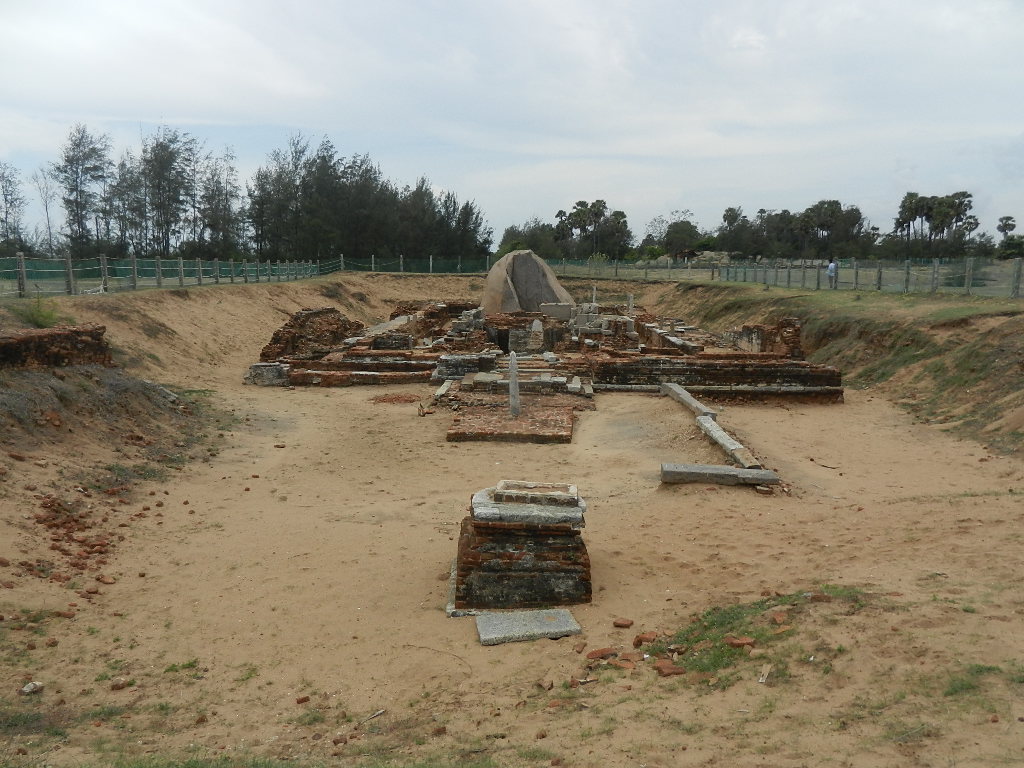
Mamallapuram has many interesting monuments. Most were abandoned by Indians, stumbled upon by various English and French art enthusiasts, and recovered by archaeologists, under the offices of the Archaeological Survey of India. The earliest was the discovery of several sculptures below ground level at Arjuna’s Penance, by Lord Napier in 1872. A few years later, in 1880, the mostly buried Atiranacanda Mandapam near Tiger cave was extricated from layers of sand, by Alexander Rea. A more recent discovery was of a buried well and some associated sculptures near the Shore temple, in the 1990s. The most recent discovery has been what is called a Sangam era temple near Atiranacanda Mandapam, following the 2004 Indian ocean tsunami.

Sangam era Murugan temple, Saluvankuppam
"Inscribed Rock" in Mackenzie's map


Based on the discovery of a stone spear, speculation was that this was  a temple for Skanda or Murugan, though it doesn’t have an image of the deity. Oddly, in the place of the sanctum, there is a deep pit. Equally oddly, it is a half rock, half structural monument, mostly made of bricks (which bear similarity to pre-Pallava bricks elsewhere in Tamilnadu).

This puzzling monument was already described by Colonel Colin Mackenzie, in 1802, as Inscribed Rock (Monument 33). In 1840, says Walter Eliot, this the inscription was transcribed. Eliot appended the transcript in the 1844 paper authored by himself, Braddock, Taylor and Mahon. The meikeerthi indicates this was inscribed by Kulottunga Chola the third.

After the 2004 tsunami, the ASI discovered a second inscription below the sand level, that of Rashtrakuta king Krishna. But there are no Pallava era inscriptions. Only some Pallava monuments in Mamallapuram have inscriptions, so this is not too odd. For example, Atiranachanda has two Pallava and one Chola inscription, but Tiger Cave has none.

In the book Seven Pagodas of the Coromandel Coast, a collection of papers about Mamallapuram, compiled by  Captain MW Carr in 1869, is this transcript by Mackenzie. There is also a map, which shows the Saluvankuppam area, including Tiger Cave, Atiranachanda Mandapa and this Inscribed Rock (now called Murugan temple). West of the Murugan temple, and north of Atiranachanda Mandapa, is a monument labeled Inscribed Stone, in Mackenzie’s map. Near it is an ASI monument marker(Monument 36).

Mackenzie's Stone


Tamil Inscription on Mackenzie's stone

I suspect this Inscribed Stone is the remnant or component of either a buried or lost temple to Vishnu. The inscription itself is in Tamil an is very brief.

ஸ்வஸ்திஸ்ரீ இச்சகதலதமானார்க்கு மதிதவிட்டாகி மாப்பட்டியில் திருவமிதிக்கு இருமாநிலமும் திருவிளக்கு கழஞ்சு பொன்னும் குடுத்தது

Svastishree iccagathalatamaaanaarkku maditavittaagi maappattiyil tiruvamidikku irumaa nilamum tiruviLakku kazanju ponnum kuduttadu

My reading:

ஸ்வஸ்திஸ்ரீ இச்சகதல
தமானார்க்குமுதிதப
ட்டர்குமரபட்டி[திரு]
வமிதிக்கு இருமா[நிலமும்
திருவிளக்கு [கழஞ்சு பொன்]
னும்குடு [த்தது]

Translation: SvastiSree. Two maa of land for food (tiruvamudu) and two kalanju of gold for a lamp (tiruvilakku) are donated for this jaga-tala-tam-aanar and uditta-battar and ara-patti-????

The main temple in worship in Mamallapuram is called Sthalasayana: Sthala means place (or  ground); Sayana means reclining. This word is in stark contrast to the usual pose of reclining Vishnu, when he is always AnantaSayana – reclining on Ananta, or Adisesha, his thousand headed serpent. There is no serpent in the temple. In contrast, the Vishnu in Mahishasura Mardhini mandapam, reclines on his serpent : which is how he is depicted almost everywhere else – in Srirangam, Tirumeyyam, Tiruvanathapuram, Tiruvekka (Kanchipuram) etc. Historians say this temple is of perhaps Vijayanagar vintage (13-15 century AD) rather than Pallava era (5-9 century AD).

Between the two Siva shrines of the Shore temple, is a Vishnu shrine, called Narapati SimhaVishnu Graham. Apparently there is an inscription on the lintel, but perhaps it has eroded : I have never seen it. This shrine also has a Vishnu reclining not on the serpent, but on the bare rock. Perhaps this was the original Sthalasayana; some commentators say that it is called Jalasayana by the locals.


Let us quickly look at two other sets of monuments: Five Rathas and Trimurthi mandapam. Trimurthi Mandapam has three shrines, one each for Vishnu, Siva and BrahmaShasta (Skanda or Murugan, wearing his trademark channavira, but standing in Brahma’s place, with rishis rather than warriors on his side). Also there is a Mahishasura Mardhini on the wall, without a separate shrine. It is an interesting grouping of these three gods and the goddess.

Of the five rathas, four are in a row. Two have deities on the back wall in the sanctum – Draupadi ratha has a standing Mahishasura Mardhini sculpture. Dharmaraja ratha, designed to be a three storey temple, has only one completed sanctum, on the top floor, with SomaskandaH on the back wall. Bhima ratha,very incomplete, looks like it was designed to fit Vishnu in reclining pose; but a major flaw in the rock forced the sthapati to leave it incomplete. Whether it was intended for Sthalasayana or Anantasayana, we can only guess. Arjuna ratha also has an empty sanctum, but it has a figure on the back wall, seated on an elephant. Speculation is that it is either Indra or Muruga. Going with the Trimurthi mandapam pattern, I will guess that it is also Muruga. So both sets have temples for the same four gods. I ignore Sahadeva ratha, since it also has an empty sanctum.

Now let us look at the Saluvankuppam complex. The Atiranachanda mandapam is clearly a shrine for Siva – it has a Somaskanda and a lingam in the sanctum, and the inscriptions both say it is dedicated to Atiranachandeshvara. The tiger cave has an empty sanctum, and may not be a temple at all, but a music hall, as speculated by TN Ramachandran in 1933. The cave mouth is surrounded not by tigers but vyaalis : remarkably there is a mini tiger cave, about a mile south of the Shore temple, very similar in structure; it has a shrine featuring Durga or Mahishasura Mardhini. Prof Baluswamy of MCC conjectures that therefor Tiger cave is also a temple to Mahisharura Mardhini.

Atiranchanda Mandapa buried under sand before 1880
Photograph: Internet (perhaps  shared by ASI )

Atiranachanda mandapa 2014

As we noted earlier, the Murugan temple doesn’t have an image of the deity or even a proper sanctum, but it has the stone spear. We can consider the Inscribed stone, the mysterious monument which is the subject of this essay, to be the fourth monument of this Saluvankuppam set. Since the other three are temples to Siva, Durga and Muruga, this must be for Vishnu, in the pattern of Trimurthi mandapam and Five rathas.

Our strongest clue is the inscription itself. It is a donation inscription; land and gold for food offering and a lamp are donated to cagat-tala-tamaanaar and others. Caga is Tamil tatbhavam for jagat; tala likewise for sthala; tamaanaar (tam+aanaar) is unusual and most likely means the person (he who is). So cagat-tala-tamaanaar is  a Tamil phrase for Sthalasayana. It cant be for the Vishnu in either the Shore temple or the Adivaraha cave or anywhere among the main group in Mamallapuram; it must be for a local temple. If intended for any of the other three, why not inscribe on those? There is plenty of space. The most logical explanation is that, this Inscribed stone is part of the temple, waiting to be discovered from its burial under the same sand that buried most of Atiranachanda mandapa and most of the brick temple. The inscription may be of the Pallava era, based on the shape of some letters, though there is no mention of a king.

It is not clear whether this stone is the floor or the roof of a temple. One would expect an inscription to be on the floor, rather than on the roof. You see inscriptions on the floor in several temples in Mallai, including Atiranachanda, Shore temple, Adivaraha and Ramanuja mantapa. But, the level of this Inscribed Stone is almost the same as the roof of the Atiranachanda mandapa, and above the level of the rediscovered Sangam brick temple. Also, it is exteremely uneven for the floor of a temple. And there are no protuberant pillar bases. So it could possibly be the roof.


So, summarizing, there are three reasons why I think Mackenzie’s inscribed stone, is a buried Vishnu temple.

1.  Caga-tala –tamaanaar  inscription

2.  Level of the sand

3.  Grouping  of four

There are also several arguments against my conjecture.

The first and most obvious is wishful thinking: it would be awesome to just find an undiscovered monument, especially  of the Pallavas.

The second is that, I am unlikely to have stumbled upon something that experts, especially archaeologists, have missed. Wouldn’t Rea or Hunter or the 2004 ASI team have excavated it, if they suspected something?

The third is that, it seems unlikely for an inscription to be on the roof, rather than floor of a temple. It may have been a brick monument that has completely gone, not of Pallava but later era. There is an isolated and ignored torso of  a murthi, perhaps of Vishnu, cast aside among the bushes near the Atiranachanda mandapa. It looks like the remnant of a standing Vishnu. So there may be no monument underground.

These are feeble objections; someone else may have far much better reasons to consider my conjecture wrong.

But I hope someone at ASI believes me and sanctions an exploration. If there is nothing, no harm done, except some wasted time, money and labour. But what if there is a Pallava temple, and a full Sthalasayana?? Can we afford to ignore the possibility?

Related essays

Babington’s Gift – the third Atiranachanda inscription

Lingodbhavasculpture near Shore temple

Essays on Art

Essays on History

Video

2000 Years ofMamallapuram – lecture in Tamil

Babington's third inscription - joint lecture with Dr Nagaswamy


Monday, 30 May 2022

அசோகன் கல்வெட்டு - கடை நான்கும் தௌலி தம்மலிபியும்

தௌலி கல்வெட்டு 
photo: VK Sreenivasan

மௌரிய அரசன் சம்ராட் அசோகனின் கல்வெட்டின் தமிழாக்கம். இந்த கட்டுரை இரண்டாம் பகுதி, முதல் பகுதியை இங்கே காணலாம்

தம்மலிபி 11

தேவானம்பியே பியதஸி லாஜ  ஏவம் ஆஹ | நாஸ்தி ஏதாரிஸம் தானம் யாரிஸம் தம்மதானம் தம்ம ஸம்ஸ்தவோ வா தம்ம ஸம்விபாகோ வா தம்ம ஸம்பந்தோ வா | தத இதம் பவதி தாஸ படகம்ஹி ஸம்யப்ரதிபதி மாதரி பிதரி ஸாது ஸுஸ்ருஷா மிதா-ஸஸ்துத-நாதிகானாம் பாஹ்மன-ஸ்ராமணானாம் ஸாது தானம் ப்ராணானம்  அநாரம்போ ஸாது | ஏத வாதவ்யம் பிதா வா புதேன வா பாதா வா மிதாஸஸ்துதநாதிகேநவா ஆவ படிவேஸியேஹி   இத ஸாது இத கதவ்யம் | ஸோ ததா கரும்  இலோகசஸ ஆராதோ ஹோதி பரத ச அநந்தம் புண்யம் பவதி தேந தம்ம்தானேன ||

தம்மலிபி 11 தமிழாக்கம்

தேவானம்பிய பியதசி ராஜன் இதை செப்பினான். தம்மதானத்தை போல் தம்மத்தை அறிவது போல் தம்மத்தை மற்றவருக்கு அறிவுருத்துவது போல் தம்மத்தோடு சம்மந்தத்தை போல் வேறு ஒரு தானமும் இல்லை. இதனால் அடியாட்களிடம் நல்ல நடத்தையும்; மாதா பிதாவிடம் சேவையும்; நண்பருக்கும் தெரிந்தவருக்கும் பிராமணருக்கும் சமணருக்கும் நல்ல தானம் வழங்குவதும் வளரும். மிருகவதை நின்றுபோகும். இதனால் மகனாலும் தந்தையாலும் சகோதரனாலும் நண்பனாலும் தெரிந்தவராலும் ”இது நல்லது இது செய்யத்தக்கது என்று சொல்லப்படவேண்டும். இப்படி சொன்னால், இந்த தம்மதானத்தால் இந்த லோகத்திலும் பரலோகத்திலும் அளவில்லா புண்ணியம் கிடைக்கும்

சொற்பொருள் விளக்கம்

கதவ்யம் = கர்த்தவ்யம் = செய்யத்தக்கது
வாதவ்யம் = சொல்லப்படவேண்டும்
இலோக = இந்த லோகத்தில்
அநந்த = அளவில்லா
பரத = பர லோகத்தில்
தம்மதானேன = தம்மதானத்தால்


தம்மலிபி 12

தேவானம்பியே பியதஸி ராஜ  ஸவ பாஸந்தானி ச பவஜீதானி ச கஹஸதானி ச பூஜயதி தானேன ச விவிதாய பூஜாய பூஜயதி நே | நா து ததா தானம் வா பூஜா வா தேவாநாம்பியோ மஞ்ஞாதே யதா கிதி ஸார-வடீ அஸ ஸவபாஸம்டானம் | ஸாரவடி து பஹுவிதா தஸ து இதம் மூலம் ய வசிகுதி கிம்தி ஆத்ப-பாஸாண்ட-பூஜ வா, பர-பாஸம்ட-கரஹா வா நோ பவே அப்ரகரணம்ஹி லஹூகா வா அஸ தம்ஹி தம்ஹி பரகரணே | பூஜேதயா து ஏவ பரபாஸம்ட தேன தேன ப்ரகரணேன | ஏவம் கரும்  ஆத்பபாஸாம்ட ச வடயதி  பர பாஸம்டஸ உபகரோதி தத் அஞாதகரோதோ ஆத்பபாஸாம்ட ச சணதி பர பாஸம்டஸ ச பி அபகரோதி | யோ ஹி கோசி  ஆத்பபாஸாம்ட பூஜயதி பர பாஸம்டஸ வா கரஹதி ஸவம் ஆத்பபாஸாம்டபதீயா கிம்தி ஆத்பபாஸாம்டம் பாடதரம் உபஹநாதி | த ஸமவாயோ ஏவ ஸாது கிம்தி அஞமஞஸ தம்மம் ஸ்ருநாரு ச ஸ்ஸும்ஸேர ச | ஏவம் ஹி தேவாநம்பியஸ இசா கிம்தி ஸவபாஸம்ட பஹுஸ்ருதா ச அஸு கலாணாகம ச அஸு | யே ச தத்ர தத்ர ப்ரஸம்நா தேஹி வதவ்யம் தேவநம்பிய நோ ததா தானம் வா பூஜாம் வா மம்ஞதே  கிம்தி ஸாரவடீ ஸர்வ-பாஸடானம் | பஹுகா ச ஏதாய அதா வியாபாத  தம்மமஹாமாதா ச இதீஜகமஹாமாதா ச வசபூமிகா ச அஞே ச நிகாயா |  அயம் ச ஏதஸ பல ஆத்ப-பாஸம்ட-வடீ ச ஹோதி தம்மஸ ச தீபனா ||

சொற்பொருள் விளக்கம்

பாஸாம்ட = பார்ஷத = மதம்
ஆத்பதபாஸாம்ட = ஆத்ம பார்ஷத = தன் மதம்
பர பாஸம்ட = பர பார்ஷத = பரமதம்
ஸாரவடீ = ஸாரவிருத்தி

தம்மலிபி 12 தமிழாக்கம்

தேவானம்பிய பியதசி ராஜன் அனைத்து மதங்களையும் முனிகளையும் இல்லறவாசிகளையும் தானங்களாலும் பலவிதை பூஜைகளாலும் கௌரவம் செய்கிறான். தேவாநம்பியன் தானத்தையும் பூஜையையும் விட பற்பல மதங்களின் ஸாரவிருத்தியை அதிகம் மதிக்கிறான். ஸாரவிருத்தி பலவகைப்படும்; ஆனால் தகுந்த காரணமின்றி தன் மதத்தை அதிகம் புகழ்ந்து பர மதத்தை அதிகம் இகழ்வதால் ஸாரவிருத்தி வளராது. பரமதங்களை பலவிதமாய் மரியாதை செய்யவேண்டும். தன் மதத்தை புகழ்வோர் தங்கள் மதத்தை பிராச்சாரம் செய்து பெரிதாக்கி மற்ற மதத்தை இழிவு படுத்தினால் அது தங்கள் மதத்தையும் இழிவுபடுத்துகிறது. ஒரு மதத்தார் மற்றொரு மதத்தார் சொல்வதை கேட்டு இழிவு படுத்தாமல் மதிக்கவேண்டும். அனைத்து மதங்களும் கல்வி பெருகி கல்யாணமாய் நடப்பதுவே தேவாநம்பியனின் விருப்பம். இவ்விருப்பம் நிறைவேற தம்ம மஹாமாத்திரரும் ஸ்த்ரீமஹாமாத்திரரும் விரஜபூமிகரும் மற்றும் பல அதிகாரிகளும் நியமிக்கப்பட்டுள்ளனர்.  இதனால் அவரவர மதங்களும் பெருகும் தம்மமும் வளரும்.


தம்மலிபி 13

அடவஷாபிஷிதஷா தேவாநம்பியஸ பியதஸினே லாஜினே கலிக்யா விஜிதா | தியடா மிதே பாணஷதஷஹஸே  யே தபா அபவுதே ஷதஸ்ஹஹஸ்மிதே தத ஹதே பஹு தாவதகே வா மடே | ததோ பசா அதுனா லதேஷு கலிக்யேஷு திவே தம்மவாயே தம்மகாமதா தம்மானுஷதி சா தேவாநம்பியஸா | ஸே அதி அனுஷயே     தேவாநம்பியஸா விஜிநிது கலிக்யாநி | அவிஜிதம் ஹி விஜிநமநே எ ததா வத வா மலநே வா அபவஹே வா ஜனஷா ஷே பாட வேதனியமுதே குலுமுதே சா தேவாநம்பியஸா | இயம் பி சு ததோ குலுமததலே தேவாநம்பியஸா யே ததா வஷதி பாபன வா ஷாமனா வா அனே வா பஸம்ட கிஹிதா வா யேஷு விஹிதா ஏஷ அகபுதி ஷுஷுஷா மாதாபிதி ஷுஷுஷா கலு ஷுஷுஷா மித சம்துத ஸஹாய நாதிகேஷு தாஷபடகஷி ஷம்யபடிபதி திடபதிதா தேஷம் ததா ஹோதி உபகாதே வா வதே வா அபிலதாநாம் வா விநிகாமனே | யேஷம் வா பி ஷுவிஹிதாநாம் ஸினேஹே விபஹினே ஏதாநாம் மிதஸம்துத ஸஹாய நாதிக்ய வியஷனம் பாபுநாதி ததா ஸே பி தானமேவ உபகதே ஹோதி |  படிபாகே சா ஏஷ ஸவமனுஷாநம் குலுமதே சா தேவாநம்பியஸா | நாதி சா ஸே ஜனபதோ யதா நதி இமே நிகாயா ஆநதா யோனேஷு பம்ஹனே சா ஷமனே சா | நதி சா குவாபி ஜனபதஷி யதா நதி மனுஷான ஏகதலஷி பி பாஷதஷி நோ நாம பஷாதே | ஸே அவதகே ஜனே ததா கலிங்கேஷு லதேஷு ஹதே சா மடே சா அபவுடே சா ததோ ஷதே பாகே வா ஷஹஷபாகே வா அஜ குலுமதே வா தேவாநம்பியஸா |

யோ பி ச அபகரேயதி க்ஷந்திதவ்யமதே வா தேவாநம்பியஸ யம் ஷகோ க்ஷமநயே | ஸெ ச புனா லதே தேவாநம்பியஸா ஹித ச ஸவேஷு ச அதேஷு அ ஷஷு பி யோஜன ஷதேஷு அத அதியோக நாம யோனலாஜா பலம் சா தேன அம்தியோகேனா சதாலி 4 லாஜனே  துலமயே நாம அம்தெகினே நாம மகா நாம அலிக்யஷுதலே நாம நிசம் சோட பாண்டியா அவம் தம்பபம்நியா ஹேவமேவா | ஹேவமேவா ஹிதா லாஜவிஷவஷி யோன காம்போஜேஷு நாபக நாபபம்திஷு போஜபிதினிக்யேஷு அதா-பாலாதேஷு ஸவதா தேவானம்பியஷா தம்மாமுஷதி அனுவதம்தி |

யத பி துதா தேவானம்பியஸா நோ யம்தி தே பி ஸுது தேவானம்பியஸா தம்மவுதம் விதநம் தம்மானுஸதி தம்மம் அனுவிதியம்தி அனுவிதிஸம்தி சா | யே ஸே லதே ஏதகேன ஹோதி ஸவதா விஜயே பிதிலஸே  ஸே |

கதா ஸா ஹொதி பிதி தம்ம விஜயஸி | லஹுகா சு கோ ஸா பிதி | பாலம்திக்யாமேவா மஹாபலம் மம்நதி தேவானம்பியே | ஏதயே சா அடாயே இயம் தம்மலிபி லிகிதா கிதி புதா பபோதா மெ அஸு நவம் விஜய மா விஜயதவிய மனிஷு ஷயலஷி யோ விஜயஷி கம்தி சா லஹுதம்டதா சா லோசேது தமேவ சா விஜயம மனது யே தம்மவிஜயே ஷே ஹிதலோகிக்ய பலலோகிக்யே | ஷவா   ச கம் நிலதி ஹொது உயாமலதி ஸா ஹி ஹிதலோகிக்ய பலலோகிக்யா ||

சொற்பொருள் விளக்கம்

அடவஷாபிஷிதஷா அஷ்ட வர்ஷ அபிஷிக்த = (பட்ட)அபிஷேகம் நடந்த எட்டாம் வருடம்
கலிக்யா = கலிங்கா
விஜிதா = வென்றான்
ஷதஷஹஸே = ஷத ஸஹஸ்ர = நூறு ஆயிரம்
ஹதம் = கொல்லப்பட்டனர்
லதேஷு கலிக்யேஷு = லப்தேஷு கலிங்கேஷு = கலிங்கம் வென்றபின்
யோனேஷு = யவனதேசம்
யோன லாஜா =  யவன ராஜா
அதியோக நாம யோனலாஜா = அந்தியோகன் எனும் யவனராஜன்
சதாலி லாஜனே = சத்வாரி ராஜன் = நான்கு அரசர்கள்
துலமயே அம்தெகினே மகா அலிக்யஷுதலே = தாலமி அம்திகின் மகா அலிக்யஷு
சோடபாண்டியா = சோழ - பாண்டியர்
தம்பபம்நியா = தாம்ரபர்ணி (இலங்கை)
காம்போஜேஷு = காம்போஜ நாடு
நாபக நாபபம்திஷு = நாபக, நாபபங்க்தி நாடுகள்
போஜபிதினிக்யேஷு = போஜ, பிதினிக நாடுகள்
அதா-பாலாதேஷு = ஆந்திர பாரத நாடுகள்
 
அனுஷய = வருத்தம்
க்ஷந்திதவ்யமதே = மன்னிக்கவேண்டும்
யம் ஷகோ க்ஷமநயே = மன்னிக்க முடிந்தவரை
பிதி = ப்ரீதி = விருப்பம்
லஹுகா = லகு = இலகு = சிறிது
புதா = புத்திரா = மகன்கள்
பபோதா = பிரபௌத்ரா = கொள்ளுப்பேரன்கள் (வம்சாவளியினர்)
கம்தி = க்ஷந்தி = மன்னிபு (கருணை)
லஹுதம்டதா = லகுதண்டதா = சிறு தண்டனை


தம்மலிபி 13 தமிழாக்கம்

எட்டாம் ஆட்சி வருடம் தேவானம்பிய பியதசி ராஜன் கலிங்கத்தை வென்றான்.

ஒன்றை லட்சம் ஆட்கள் சிறைபிடிக்கப் பட்டனர். நூறாயிரம் (சதசஹஸ்ரம்) ஆட்கள் கொல்லப்பட்டனர். நூறாயிரம் இறந்துபோனர்.

அதன்பின் தேவானம்பியன் தர்மத்தின்பால் ஈடுபெற்று, தம்மகாரியம் செய்ய, தம்ம அனுசஷ்டிக்க விரும்பினான். கலிங்கத்தை வென்றபின் தேவானம்பியன் வருந்தினான் (அனுஷய).

ஒரு நாட்டை வெல்வதால் வதமும் மரணமும், மனிதர் இடம்பெயர்த்லும் தேவானம்பியனுக்கு பெரும் வேதனை தருகிறது.

அங்கு பிராமணர் சமணர் மன்றத்தினர் கிரகஸ்தர் வாழ்கின்றனர். அவர்களும் முதியவரை மதித்து தாய் தந்தை மதித்து, நண்பர் உறவினர் தெரிந்தவர் (ஞாத) அடிமைகள் (தாச) வேலை ஆட்கள் (ப்ருதக) இவர் அனைவரிடமும் அன்புகொண்டு, நடப்பவர். அவர்களுக்கும் போரினால் மரணமும் உற்றார் உறவினார் சிறைப்பெற்றும் தவிக்கின்றனர். அவர்களின் துன்பகள் தேவானம்பியனுக்கு பெரும் வேதனை தருகிறது.

யவன தேசத்தை தவிர பிராமணர் சமணர் இல்லாத தேசமே இல்லை. ஏதோ ஒரு மன்றத்தில் (சமயக்குழு) சேராத மனிதரும் எங்கும் இல்லை. அவர்கள் துன்பபடக்கூடாது.

ஒருவன் தவறு செய்தாலும் அவனை மன்னிக்க முடிந்தால் மன்னிக்கவேண்டும்.

தேவானம்பியனுக்கு ராஜ்ஜியத்திலுள்ள காட்டுவாசிகளிடமும் இந்த தம்ம வழி அனுதாபத்தோடு கூறப்படுகிறது. அவர்களிடம் தேவானம்பியனின் வருத்தமும் வருந்தினாலும் பலம் குறையவில்லை என்பது கூறப்படுகிறது.

தம்ம விஜயமே தேவானம்பியனால் பெரும் விஜயமாக கருதப்படுகிறது.

அறுநூறு யோஜனைகளுக்கு அப்பால் ஆளும் யவன ராஜன் அந்தியோகனின் நாட்டிலும், அவனை தாண்டி துலமய நாம, அந்தேகின நாம, மகா நாம, அலிகசுதர நாம நான்கு அரசர்களின் நாடுகளிலும், கீழே சோழ, பாண்டிய, தாம்பபண்ணி அரசரின் நாடுகளிலும் தேவானம்பியன் தம்மவிஜயம் வென்றான்.


தன் ராஜ்ஜியத்திலும் யோனர், காம்போஜர், நாபகர், நாபபங்க்தியர், போஜர், பிதினிகர், ஆந்திரர், பாரதர் இவர்கள் நாட்டிலும் தேவானம்பியனின் தம்மானுஷஸ்தயம் சென்று கடைப்பிடிக்கப்படுகிறது. தேவானம்பியனின் தூதுவர்கள் செல்லாத நாடுகளிலும் அவனது தம்மலிபி கேள்விப்பெற்றுள்ளது.


எங்கும் பெற்ற இந்த தம்மவிஜயம் பிடித்துள்ளது (ப்ரீதி). ஆனால் இது சிறிய ப்ரீதி. அடுத்த உலகில் பெறப்படுவதே பெம் பலன். அதற்காக  தேவானம்பியனின் மகன்களும், பேரன்களும் பின்வருவோரும் படையெடுத்து வெல்லாமல் தம்மவிஜயம் தேடுவதே என் விருப்பம். மீறி படையெடுத்தாலும் கருணை காட்டி சிறுதண்டனைகளையே விதிக்கவேண்டும். அதுவே இந்தலோகத்திலும் பரலோகத்திலும் பலன் தரும்.


தம்மலிபி 14

அயம் தம்மலிபி தேவாநம்பியேந பியதஸிநா ராஞா லேகாபிதா | அஸ்தி ஏவ ஸம்கிதேந அஸ்தி மஜமேந அஸ்தி விஸ்ததேந | ந ச ஸர்வம் ஸர்வத கடிதம் மஹாலகே ஹி விஜிதம் பஹு ச லிகிதம் லிகாபாயிஸம் சேவ |  அஸ்தி ச ஏதகம் புந புந வுதம்  தஸ தஸ அதஸ மாதூரதாய கிம்தி ஜனோ ததா படிபாஜேத | தத்ர ஏகதா அஸமாதம் லிகிதம் அஸதேஸம் வா ஸசாய காரணம் வா அலோசேத்பா லிபிகராபரதேன வா ||

சொற்பொருள் விளக்கம்

ஸம்கித = ஸம்க்ஷிப்தேந = சிறிது
மஜம = மதயமே = மத்தியமாகவோ
விஸ்தத = விஸ்த்ரத = நீளமாகவோ
ந = இல்லை
ஸர்வம் = எல்லாம்
ஸர்வத = ஸர்வத்ர = எங்கும்
புநபுந வுதம் = புந புந உக்தம் = மீண்டும் மீண்டும் கூறப்பெற்றது
மாதுரதாய = மாதுர்யதாய = இனிமையானவை      
சங்க்யயா ஆலோச்ய = ஆழ்ந்த சிந்தித்த பின்பு
லிபிகார அபராதேன = எழுத்துப்பொறித்தவன் பிழையால்


தம்மலிபி 14 தமிழாக்கம்

இந்த தம்மலிபி தேவானம்பிய பியதசி ராஜனால் எழுதப்பட்டது. இந்த தம்மலிபிகள் சிறிதாகவோ (சம்க்ஷிப்தம்) மத்தியமாகவோ மிகநீளமாகவோ (விஸ்த்ரத) உள்ளன.

எல்லா தம்மலிபியும் எல்லா இடத்திலும் எழுதப்பெறவில்லை. என் ராஜ்ஜியம் மிகப்பெரிது. அதிகம் எழுதியுள்ளேன். இன்னும் அதிகம் எழுதுவேன்,

சில தகவல்களின் அர்த்தம் இனிமையா என்பதாலும் மக்கள் அதை பின்பற்றவும் மீண்டும் மீண்டும் கூறப்பெற்றன.

சில தகவல்கள் முழுதம் கூறாமல் இருக்கலாம். தேசத்திற்கு ஏற்பவை என்றோ, ஆழ்ந்த சிந்தித்த பின்போ (சங்க்யயா ஆலோச்ய), எழுத்துப்பொறித்தவன் பிழையாலோ (லிபிகார அபராதேன) இதற்கு காரணம்.

தௌலி (தோஸலி) தனி தம்மலிபி

தேவாநம்பியஸ வசநேந தோஸலியம் மஹாமாதா நகல வியோஹாலகா வதவிய :

அம் கிசி தகாமி ஹகம் தம் இசாமி கிம்தி கம்மன படிபாதயேஹம் துவாலதே ச ஆலபேஹம் | ஏஸ ச மே மோக்ய மாத துவால ஏதஸி அடஸி  அம் துபேஸு அனுஸதி | துபேஹி பஹுஸு   பாந சஹஸேஸு ஆயத பனயம கசேம ஸு முனிஸானம் | ஸவே முனிஸே பஜா மமா | அதா பஜாயே இசாமி ஹதம் கிம்தி ஸவேன ஹித சுகேன ஹிதலோகிக பாலலோகிகேன யூஜேவு தி ததா ஸவ முனிஸேஸு பி இசாமி ஹகம் | நோ ச பாபுநாத ஆவ கமுகே  இயம் அடே | கேச வ ஏக புலிஸே பாபுநாதி ஏதம் ஸெ பி தேஸம் நோ ஸவம் |

தேகதா ஹி துபே ஏதம் ஸுவிஹிதா பி நிதியம் ஏக புலிஸே பி அதி ஏ பந்தனம் வ பலிகிலேசம் வா  பாபுநாதி | தத ஹோதி அகஸமா தேந பதநம்திகா அம்நே ச பஹு ஜனே தவியே துகீயதி | தத இசிதவியே  துபேஹி கிம்தி மஜம்  படிபாதயேமா தி | இமேஹி து ஜாதேஹி நோ ஸம்படிபஜதி  இஸாய ஆஸுலோபேந நிடூலியேந தூலநாய அநாவூதிய ஆலஸியேந கிலமதேந | ஸே இசிதவியே கிம்தி ஏதே ஜாதா நோ ஹுவேவு மமா தி |  ஏதஸ ச ஸவஸ  மூலே அனாஸுலோபே அதுலான ச | நிதியம் தே கிலம்தே ஸியா ந தே உகசே ஸஞ்சலிய்ஹவியே து வடிதவியே ஏதவியே வா | ஹேவம்மேவ ஏ தகேய துபாக தேந வதவியே ஆனம்னே தேகதா ஹேவம் ச தேவம் ச தேவாநம்பியஸ அனுஸதி ஸே மஹாபலே எ தஸ ஸம்படிபாத மஹா அபாயே அஸம்படிபதி விபடிபாதயமினே ஹி ஏதம் நதி ஸ்வகஸ ஆலதி நோ லாஜாலதி | துஆஹலே ஹி இமஸ கம்மஸ மே குதே மனோ அதிலேகே ஸம்படிபாஜமீனே சு ஏதம் ஸ்வகம் ஆலாதயிஸத மம ச ஆநநிய, ஏஹத | இயம் ச லிபி திஸ நகதேன ஸோதவியா |

அந்தலா பி ச திஸேந கநஸி கநஸி ஏகேந பி ஸோதவிய | ஹேவம் ச கலந்தம் துபே சகத ஸம்படிபாதயிதவே | ஏதாயே அடாயே இயம் லிபி லிகித ஹித ஏந நகலவியோஹாலகா ஸஸ்வதம் ஸமயம் யுஜேவூ தி ஏந ஜனஸ அகஸ்மா பலிபோதே வா அகஸ்மா பலிகிலேஸே வா நோ ஸீஅ தி | ஏதாயே ச அடாயே ஹகம் மஹாமாதம் பஞ்சஸு பஞ்சஸு வஸேஸு நிகாமயிஸாமி ஏ அககாஸே அகண்டே சகிநாலம்பே ஹோஸதி ஏதம் அடம் ஜானிது ததா கலம்தி  அத மம அனுஸதீ தி | உஜேநிதே பி சு குமாலே ஏதாயே வ அடாயே நிகாமயஸதி  ஹேதிஸமேவ வகம் நோ ச அதிகாமயிஸதி திம்நி வஸாநி | ஹேமேவ தகஸிலாதே பி | அதா அ** தே மஹாமாதா நிகாமிஸம்தி அநுசயாநம் ததா அஹாபயிது அதநே கம்மம் ஏதம் பி ஜானிஸம்தி தம் பி ததா கலம்தி அத லாஜினே அனுசதீ தி ||

சொற்பொருள் விளக்கம்

தோஸலி = (இன்று) தௌலி
நகல வியோஹாலகா = நகர வியவஹாரக = நகர அதிகாரிகள்
தகாமி ஹகம் = பஷ்யாமி அஹம் = நான் பார்க்கிறேன்
துவாலத = துவாரத = வாசலில்
துபேஸு அனுஸதி = யுஷ்மாஸு அனுஷஸ்தி = உங்களுக்கு கட்டளை
ஸவே முனிஸே = சர்வே மனுஷ்யா = அனைத்து மனிதர்களும்
பஜா மம = ப்ரஜா: மம = என் மக்கள்
பாபுநத = ப்ராப்நுத = புரிந்த
 
ஸுவிஹிதா பி = ஸுவிஹிதா அபி = குற்றம் செய்யாதவரும்
பந்தனம் = கட்டப்பட்டு (சிறைப்பட்டு)
பரிக்லேஸம் = துன்புருத்தப்பட்டு
அகஸ்மா = அகஸ்மாத் = காரணமின்றி
பஹுஜன = பல மக்கள்
துகாயந்தே = துக்கத்துக்கு உள்ளாகின்றனர்
மஜம் படிபாதயேம = மத்யம் ப்ரதிபாதயேம = நடுநிலை நின்று (நியாயமாக)
ஸம்படிபாத = பின்பற்றுவது
மஹா அபாயே = பெரும் அபாயம்
அஸம்படிபதி = பின்பற்றாதது
திஸ நகதேன = திஷ்ய நக்ஷத்ரேண = பூசம் நட்சத்திரத்தில்
ஸோதவியா = ஷ்ரோதவ்ய = கேட்கவேண்டும்
பஞ்சஸு பஞ்சஸு வஸேஸு = பஞ்சஸு பஞ்சஸு வர்ஷேஷு = ஐந்து வருட்த்திற்கு ஒரு முறை
உஜேநிதே குமாலே = உஜ்ஜையிநிதே குமாரே = உஜ்ஜையினிலிருந்து இளவரசன்

தௌலி தனி தம்மலிபி தமிழாக்கம்  

தேவானம்பிய பியதசி ராஜனின் ஆணையால் தோசலி நகரத்து மகாமாத்திரர்களுக்கு இடும் கட்டளை :

நான் காண்பதை இந்த வாசல் வழியாக உங்களுக்கு கட்டளையிடுகிறேன். இந்த வாசல் முக்கியமானது. இதன் பல்லாயிரம் மக்களிடம் சென்று அவர்களுடைய பெறுவது உங்கள் கடமை.

எல்லா மனிதரும் என் மக்கள் (சர்வே மனுஷ்யா ப்ரஜா: மம) என் மக்களுக்கு (குழந்தைகளுக்கு) இவ்வுலகிலும் பரலோகத்திலும் எந்த நன்மையும் சுகமும் விரும்புவேனோ, அனைத்து மனிதருக்கும் அதையே நான் விரும்புகிறேன்.

உங்கள் அனைவருக்கும் இது இன்னும் புரியவில்லை. புரிந்தவருக்கும் கொஞ்சமே புரிந்துள்ளது, முழுதும் புரியவில்லை,

தவறு செய்யாத சிலரும் சிறைப்பட்டோ துன்புருத்தப்பட்டோ தவிக்கின்றனர். காரணமின்றி சிலர் சிறையில் வாடுவதால் அவரை நம்பிய பலரும் துன்பப்படுகின்றனர்.

இப்படி ஆகாமல் நீங்கள்  சரியாக நடுநிலை நின்று கடமையாற்றவேண்டும்

பொறாமை(ஈர்ஷ்ய), கோவம்(ஆஷுரோப), கொடூரம்(நைஷ்டுர்ய), அவசரம்(த்வரண), அக்கறையின்மை(அனாவ்ருத்ய), சோம்பல்(ஆலஸ்ய), களைப்பு(க்ளமத) என்று பல காரணங்களால் சிலர் கடமையை சரியாக செய்வதில்லை. இவை நம்மில் தோன்றாமல் கவனமாக இருக்கவேண்டும். கோவமும் அவசரமும் மற்றவைக்கு மூலக்காரணங்கள்.

உங்களில் இதை புரிந்துகொண்டவர்கள் மற்றவருக்கு ”இதுவே தேவானம்பியனின் கட்டளைகள்; இதை பின்பற்றுவது பெரும் பலன் தரும்; தவறுவது பெரும் அபாயம் தரும்; கடமை தவறினால் சுவர்கமும் அடைய இயலாது அரசனும் மகிழ்ச்சியும் கிடைக்காது.

கடமை செய்வது இரு நன்மைகளை தரும்.

இந்த தம்மலிபி அனைவரும் சேர்ந்து திஷ்ய நட்சத்திரத்தின் (பூசம்) போது கேட்க வேண்டும் (மாதாமாதம்). மற்ற நாட்களில் யாராவது விரும்பினாலும் வாசிக்க வேண்டும்.

மக்கள காரணமின்றி சிறை செல்வதையும் மற்றவிதத்தில் துன்பபடுவதும் தடுக்கவே இந்த தம்மலிபி இங்கே எழுதப்படுகிறது.

இதற்காக ஐந்து வருடத்திற்கு ஒரு முறை முரட்டுத்தனமற்ற (அகர்கஷ), கொடூரமற்ற (அசண்ட), மென்மையான மகாமாத்திரரை அனுப்பிவைப்பேன்.

இதே காரணத்திற்கு உஜ்ஜையினியில்ருந்து இளவரசனும் மூன்று வருடத்திற்கு ஒரு முறை இதுபோன்ற அதிகாரிகளை அனுப்பிவைப்பான். தக்ஷசீலாவிலிருதும் இவ்வாறே. மஹாமாத்திரர் இதை அரசகட்டளை என்று ஏற்று அலுவல் செல்லும் போது இதை மனதில் வைத்து தம் காரியம் கெடாமல் இதையும் செய்து வைப்பார்.


தொடர்புடைய பதிவுகள்

அசோகன் கல்வெட்டு - முதல் பத்து தம்மலிபிகள்

காரவேலன் கல்வெட்டு 

அந்தியோக நகரம் – விசித்திர சித்தன் குஸ்ரோ

எல்லீசனின் தமிழ் கல்வெட்டு 

வரலாறு கட்டுரைகள் 

அசோகன் காரவேலன்கல்வெட்டுகள் – பேச்சு கச்சேரி வீடியோ